

Collard Greens
Memories Down South

Being the chap I was, collard greens’ smell and similarity to the stringy dark-green algae in fish ponds repulsed me. Mom would cook up a mess and sit it before me. I’d drag out the meal, not wanting to eat those dark wet, shiny green things. Mom made me sit at the table until those greens were gone. And some days they were gone as soon as she went into the kitchen. I opened the dining room window and tossed them out. I suspect a possum grinning like a possum ate those greens with relish—great enjoyment that is.
We struggled mightily back then. Money was so tight Mom would bleach coffee grounds and serve ’em as grits. Nervous, I tossed those greens out the window, knowing I’d pay a steep price were I caught—an appointment with Dr. Green, Dr. Green Switch that is. We got whooped in my day. Not once was I caught, though, setting up a life of daring, a life of going against the grain, of feeling invincible. That spirit went with me wherever I drifted.
“Where’d you end up, boy”?
“In Carolina, sir. South Carolina.”
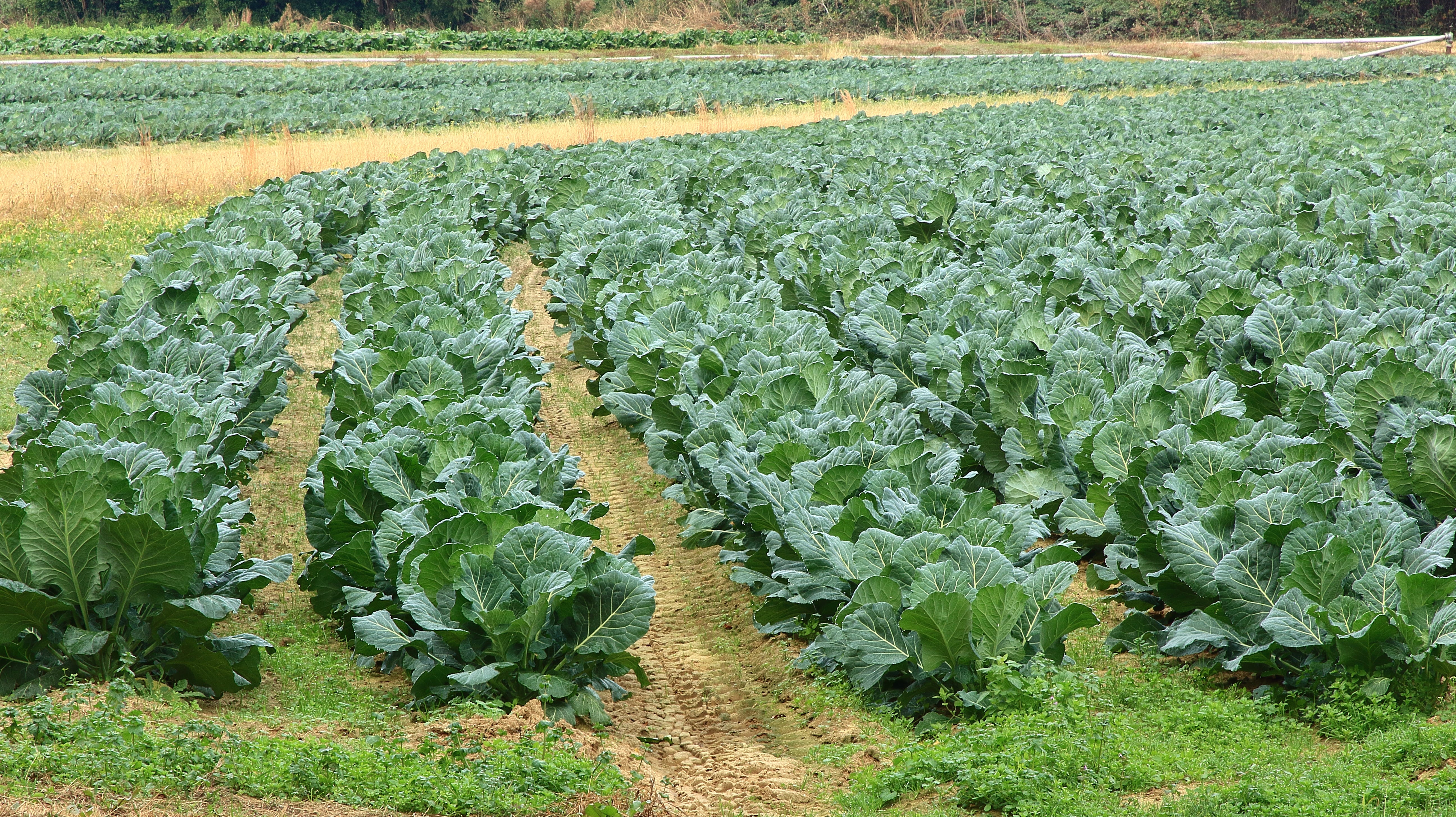
The drive to my Georgia homeplace runs 100 miles. Over the years I’ve tried every shortcut possible. The latest route takes me between two fields of collards. No po folk’s patch, one field stretches to the treeline. When I roll between these green-spangled fields the dark green badge of the South, the poor man’s crop, revives memories.
I see Mom and Dad washing greens, scoring fatback, cooking collards in a Dutch oven, and setting ’em on the caramel-colored dining table among blackeyed peas, cornbread, and pork chops or fried chicken or roast beef or pork loin Dad bought from BBQ legend, Bud Hawes, Sam and Dave’s “soul man”. Collards, that cool-season crop, warms the spirit. Soul food we call it.
Now collards took a while to collar me, but when they did, they collared me good and I crossed a continental divide. My life flowed in the true direction a son of the South eventually takes, a love for Southern cuisine and greens. I began to photograph collards because I find them beautiful.
One Sunday my quest to photograph collards led me to Willington, South Carolina. On a cold day I met Thomas Ware at his home with its handsome barn. Thomas and I talked about the South, hawks, arrowheads, tornadoes, lightning, big trees, and collards.
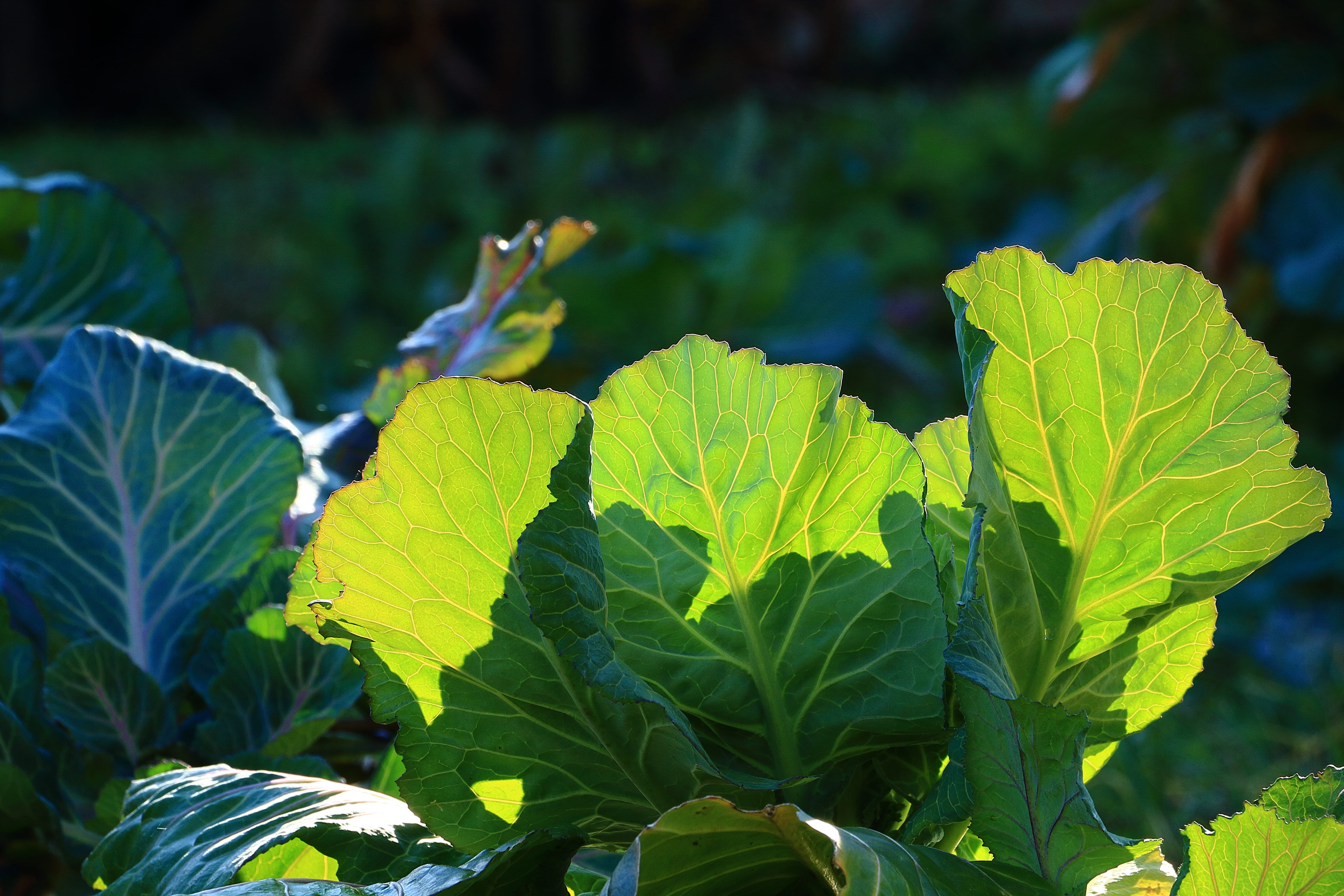
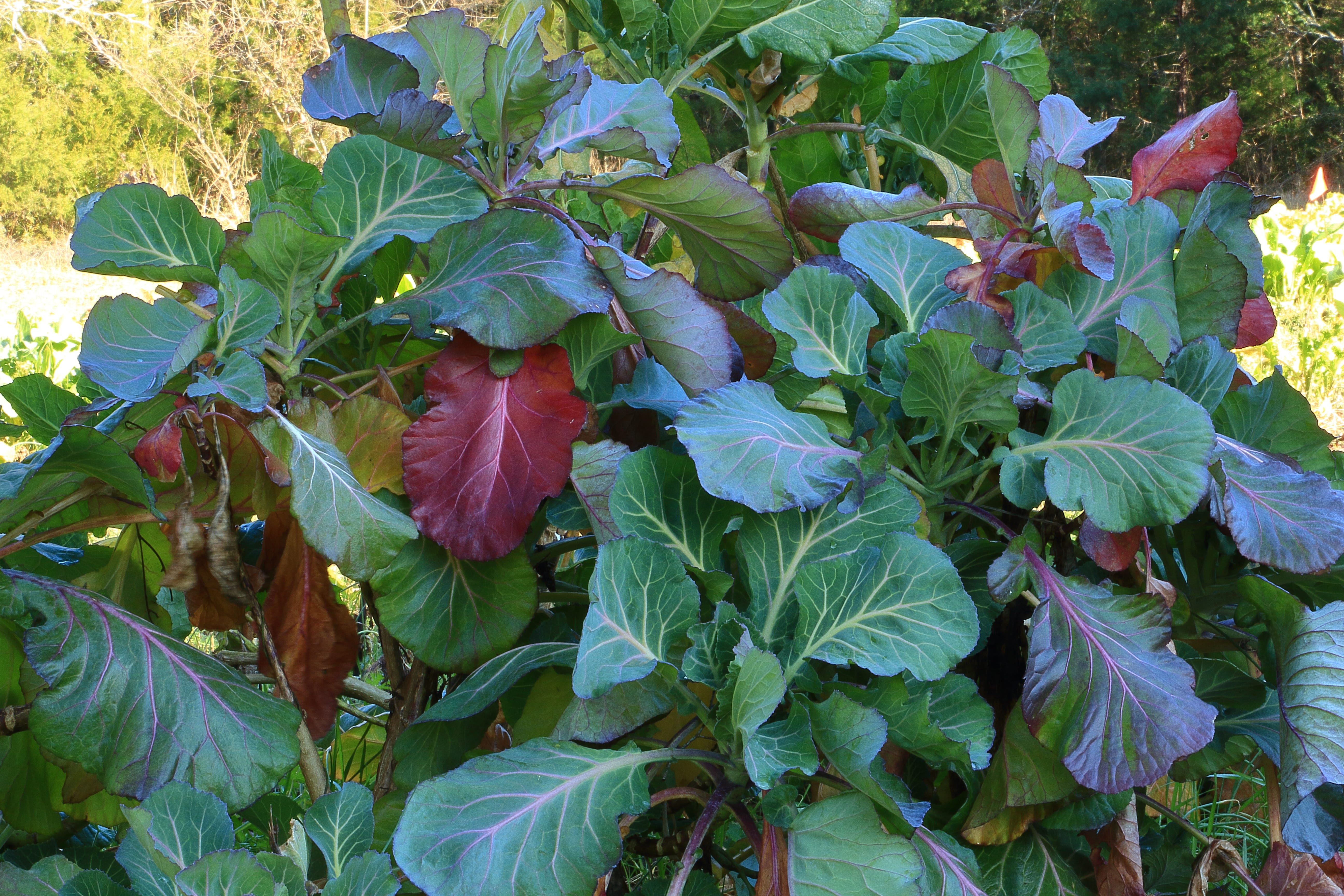
Out behind his barn, collards welcomed the soft blue light filtering through clouds, and I enjoyed looking at the man’s greens. He lets some collards grow for a year. They turn red, purple, and gold like bursts of New Year’s Eve fireworks.
New Year’s Day is incomplete without collards, blackeyed peas, pork, and cornbread. The collards represent greenbacks. The peas, coins, pork, progress, and cornbread, gold. A good many folks will tell you the most valuable part gets overlooked. “Potlikker”. Don’t throw away that rich broth. That would be like throwing money out the window. Throw some beans and pork in that broth and make soup. Throw some cornbread in the oven. Enjoy a mess of greens.
Amid all this flavor and beauty one aversion endures. The smell of greens cooking brings to mind a juke joint with a rusty orange toilet and men who cuss and do bad things. A rank smell of boiled greens hung in the night. — Cormac McCarthy. The tart fragrance of vinegar and pepper sauce atones for the stench. Grab some Texas Pete or Tabasco. Splash red pepper sauce over those black-green stewed leaves. It isn’t just appetizing. It’s pretty. Conjure up red ripe tomatoes sunning on a Charleston-green window sill. The colors are not unalike a ladle of stewed tomatoes heaped atop greens.
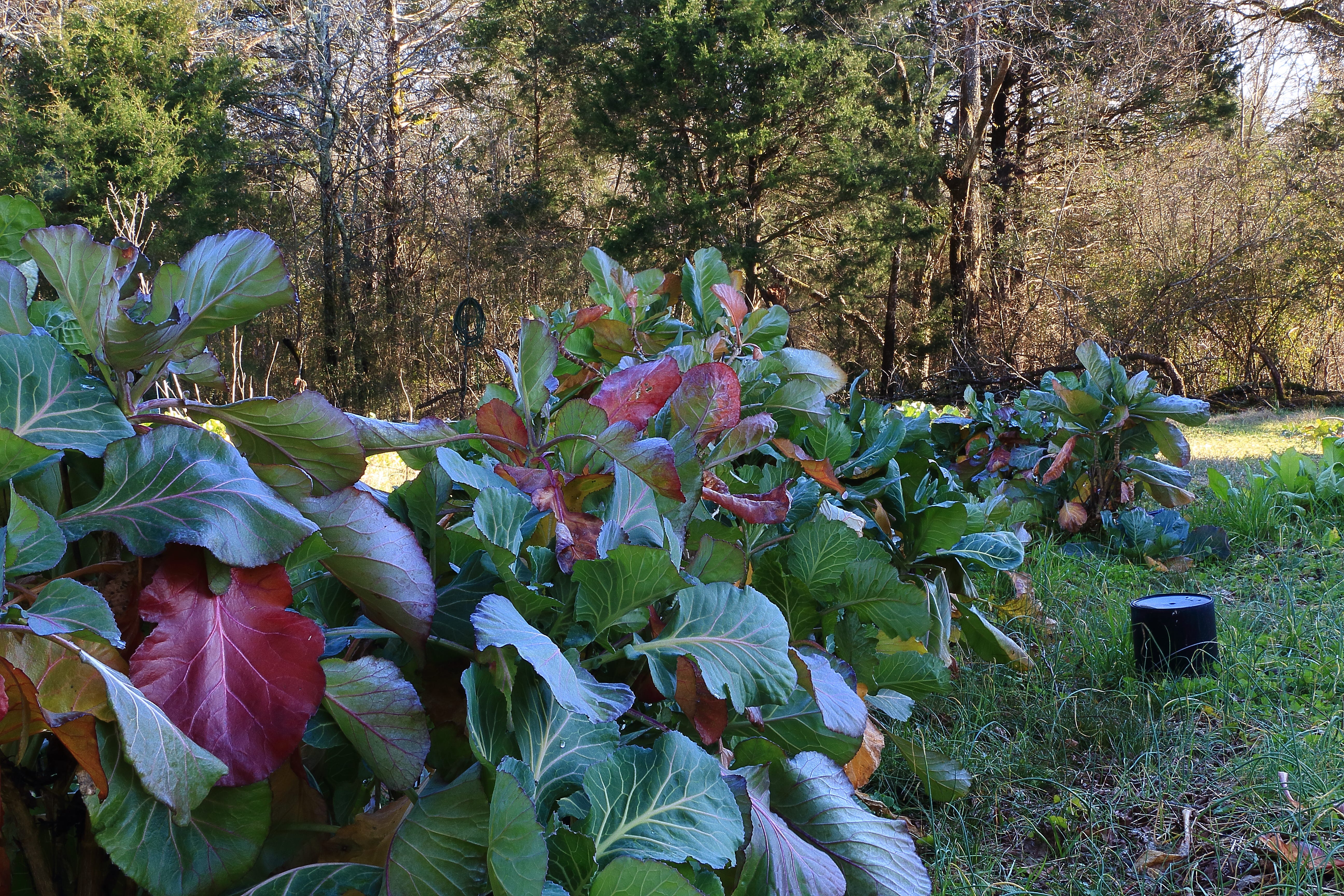
Collard greens—staple, symbol, and sacred—take their place alongside red clay, kudzu, oaks and hickories, and pines. Red and green, the colors of the earth, the shades of the South.
Twelve years after Dad passed, Mom passed. My sisters and I set about readying the homeplace for sale. One day I was leveling the joists beneath the dining room. The crawl space door sat beneath the dining room window. What did I see growing there all these years later? Nandinas and their scarlet berries and green leaves. I looked up at that window and saw collards flying over my head.
I looked for the elm just outside the dining room window. There it stood. Mom made me cut a switch from that elm for a whooping. Back then we chaps ate better than we thought and we paid a price for misbehaving. Both did us good.
When I drive past collards or sit down to collards, I return to childhood, something that seems impossible but isn’t. We’re all together and young again and a big wide world stretches before us. With it will come beauty, love, joy, grief, decline, death, messes, and messes of greens, no small thing.
When our most cherished memories are connected to food, all we have to do is taste it to relive them all over again. This helped me see a glimpse of your childhood and for that I'm very grateful.
If you are not from Lincolnton you probably don't know what a chap is.