

Maps Don’t Lie
Place Names Hold Iron

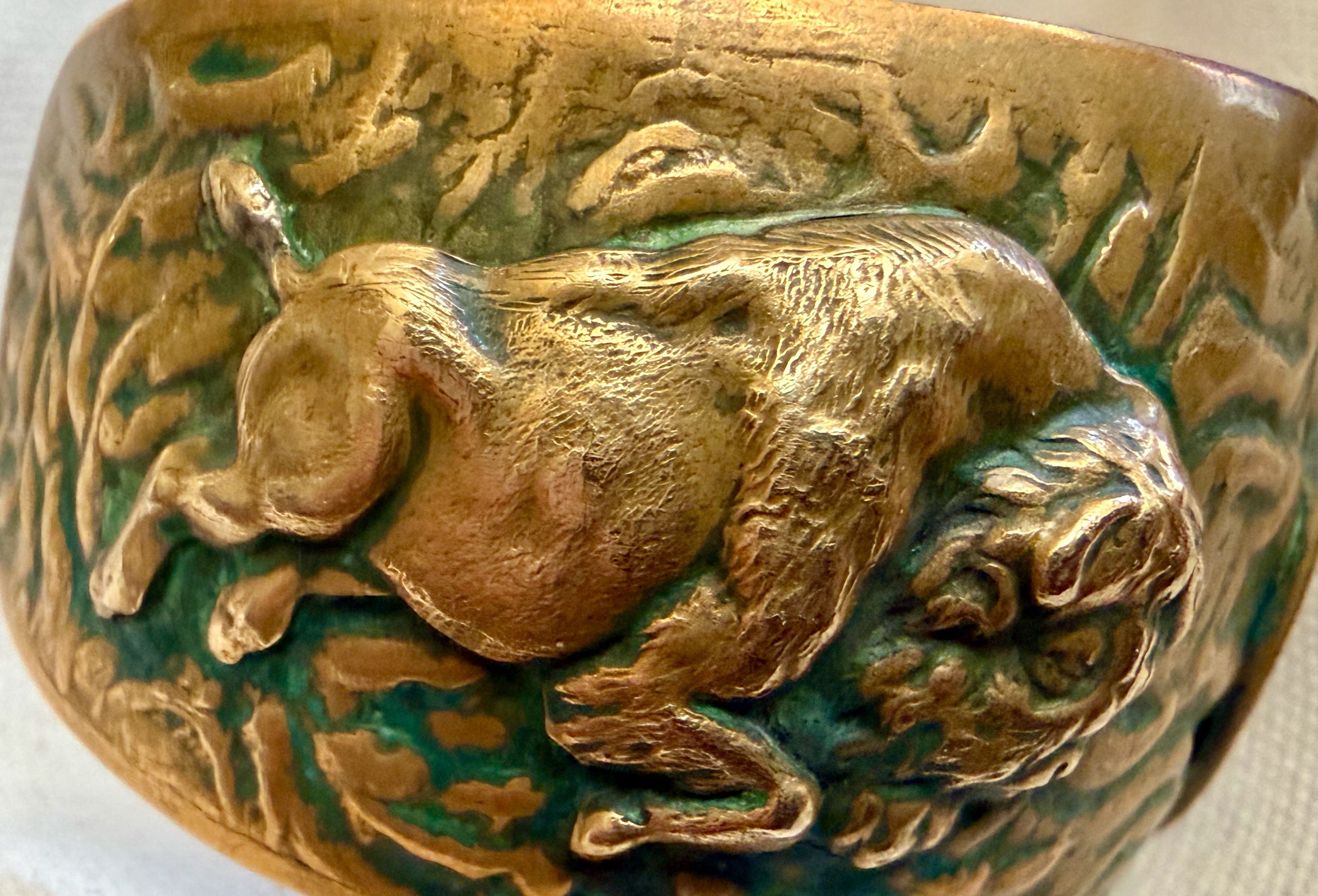
North America never had buffalo. You know the song. All together now. Oh, give me a home where the bison roam, where the deer and the antelope play, where seldom is heard a discouraging word, and the skies are not cloudy all day.
While my edit ruins “Home On the Range’s” cadence, it’s accurate. A bison is not a buffalo, and the bison, not the buffalo, once called the Southeast prairie home. Yes, we had a prairie.
I grew up watching Westerns. Conestoga wagons, Indians* on horseback, and bison grazing windswept grasslands showed me another world entire. All these years later, Naturalist Mark Catesby’s description of bison in the Carolina Piedmont gives me a sinking feeling.
“Buffaloes ranged in droves, feeding upon the open savannas morning and night, in the sultry time of day retiring to the thickets of tall cane along rivers.”
In the epic Outlaw Josey Wales**, Josey, hoping to live on Comanche land, tells Comanche Chief Ten Bears he will only kill what he needs, just as the Comanche do. He tells Ten Bears the Comanche will have what they need as well.
Ten Bears—“These things you say we will have, we already have.”
Despite the iron in Ten Bears’ words, he wouldn’t have them much longer.
Thirty million bison once roamed the continent. By 1900, a little over a thousand bison could be found with a smidgen in Yellowstone National Park. Man’s breaking of nature’s eloquent design breaks the heart. Crushes the spirit. I’ve said it before. I’ll say it again. Man is the worst thing to happen to planet Earth. Don’t argue with me. I’m armed with evidence. Here it is. Carolina parakeet, passenger pigeon, ivory-billed woodpecker, Bachman’s warbler—and these species were just North American species, not to mention the fish, plants, salamanders, frogs, snakes ... the list goes on.
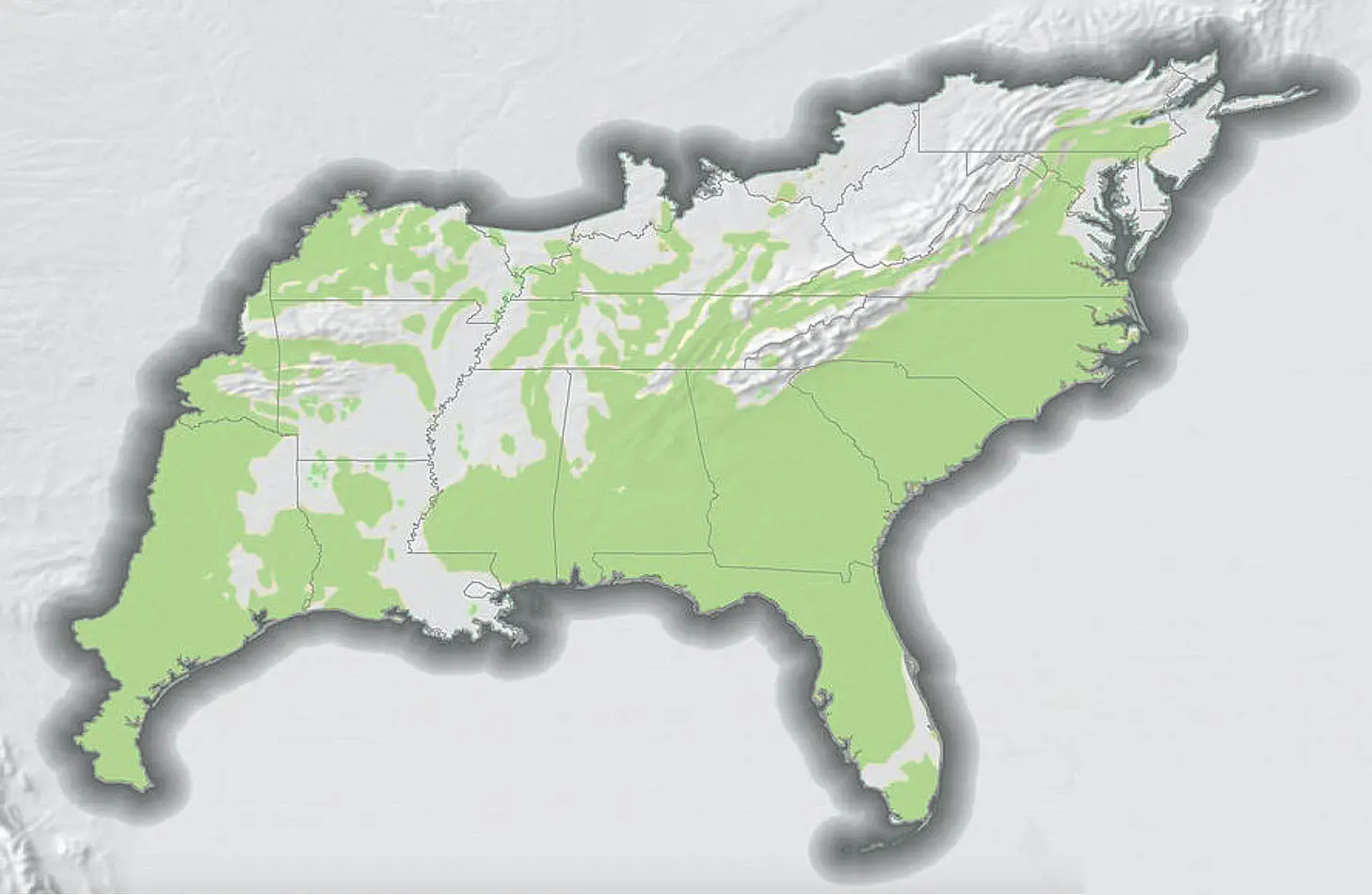
As for grasslands, their demise began when European settlers stepped ashore with their axes, plows, and fear of fire. By the 1720s, colonists’ “double-tongued” treaties, as Chief Ten Bears would put it, along with conflicts and wars and smallpox, shattered Indian’s health and spirit, and down they went. Settlers’ cattle introduced diseases that sickened bison. To use a five-dollar word, all this trickery, pestilence, and destruction “extirpated” the bison. Plain talk, it drove ’em out of the Southeast.
Manifest Destiny and something called progress bit, chewed, then gobbled Southern grasslands. The appetite was insatiable and grasslands became a pale ghost of what they were. Remnants. Less than 10 percent of the Southeastern United States’ native grasslands remain. Ecosystems that once covered more than 110 million acres vanished due to agricultural conversion, urban development, and fire suppression. In a word, “Man” did ’em in.
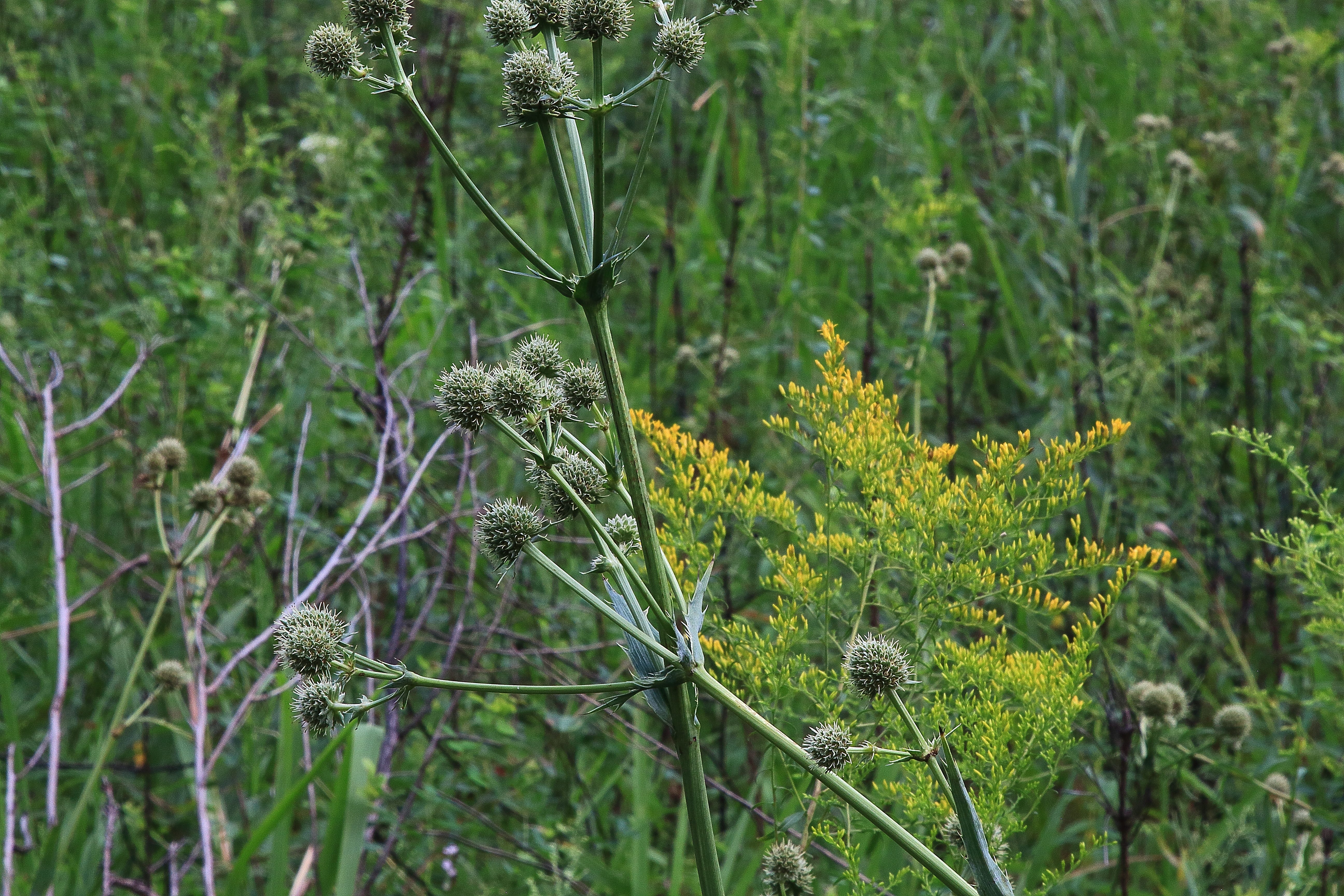
My awareness of our vast native grasslands and the roles bison and fire played in preserving them deepened when landscape artist Philip Juras suggested I read Forgotten Grasslands of the South by Reed F. Noss. Noss wrote, “The evidence for historic grasslands on the Piedmont is overwhelming. Grassland animals, particularly bison, were reported regularly.”
In 1701 when John Lawson walked through 25 miles of Southeastern prairie, he saw bison everywhere. Maps don’t lie. There’s iron in maps. Buffalo, South Carolina, is in Union County, which has Buffalo Creek. A Buffalo Creek runs back of Badwell Cemetery in McCormick County. Edgefield County has the Lick Fork Recreation Area, a reference to a salt lick. Bamberg has Buffalo Trail, which the Indians followed in quest of bison. Carlisle, South Carolina, had the Buffalo Lick Hotel and the Buffalo Lick Springs Bottling Company.
In North Carolina’s Ashe County you’ll find a Buffalo Creek. Dutch Buffalo Creek is in Cabarrus County. Big Buffalo Creek in Lee County flows into Deep River. Buffalo Branch runs through Johnston, Wake, and Warren Counties. Over fifty places named Buffalo suggests bison roamed all over North Carolina. Buffalo, an 1800’s gold rush town, brings the Wild West to mind. Drowned. It lies 50 feet beneath Lake Lure.
William Bartram described a salt lick in Georgia’s Oglethorpe County near Philomath where bison licked kaolin. “We came into a flat level plain and at the upper side of this, level at the foot of the hills of the great ridge, is the great buffalo lick which are vast pits licked in the clay, formerly by the buffaloes [sic], and now kept smooth and open by cattle, deer and horses ... The whole lick may take up an acre and half of ground ... Passing by other small licking pits, we come to a lively stream that made in from a cane bottom. This is said to be the head of Great Ogeechee River.” (“Ogeechee”, what a fun word to say.)
All that loveliness gone. All that lushness lost. Imagine a Southeast with vast tracts of sunny, grassy woodlands, open glades, and occasional prairie sweeping from horizon to horizon. Some 200 years ago Southeast grasslands ghosted beneath winds. Rippling green waves peppered with black bison flowered with blooms aplenty. I conjure up a melody for the eyes, a Van Gogh painting, in my mind.
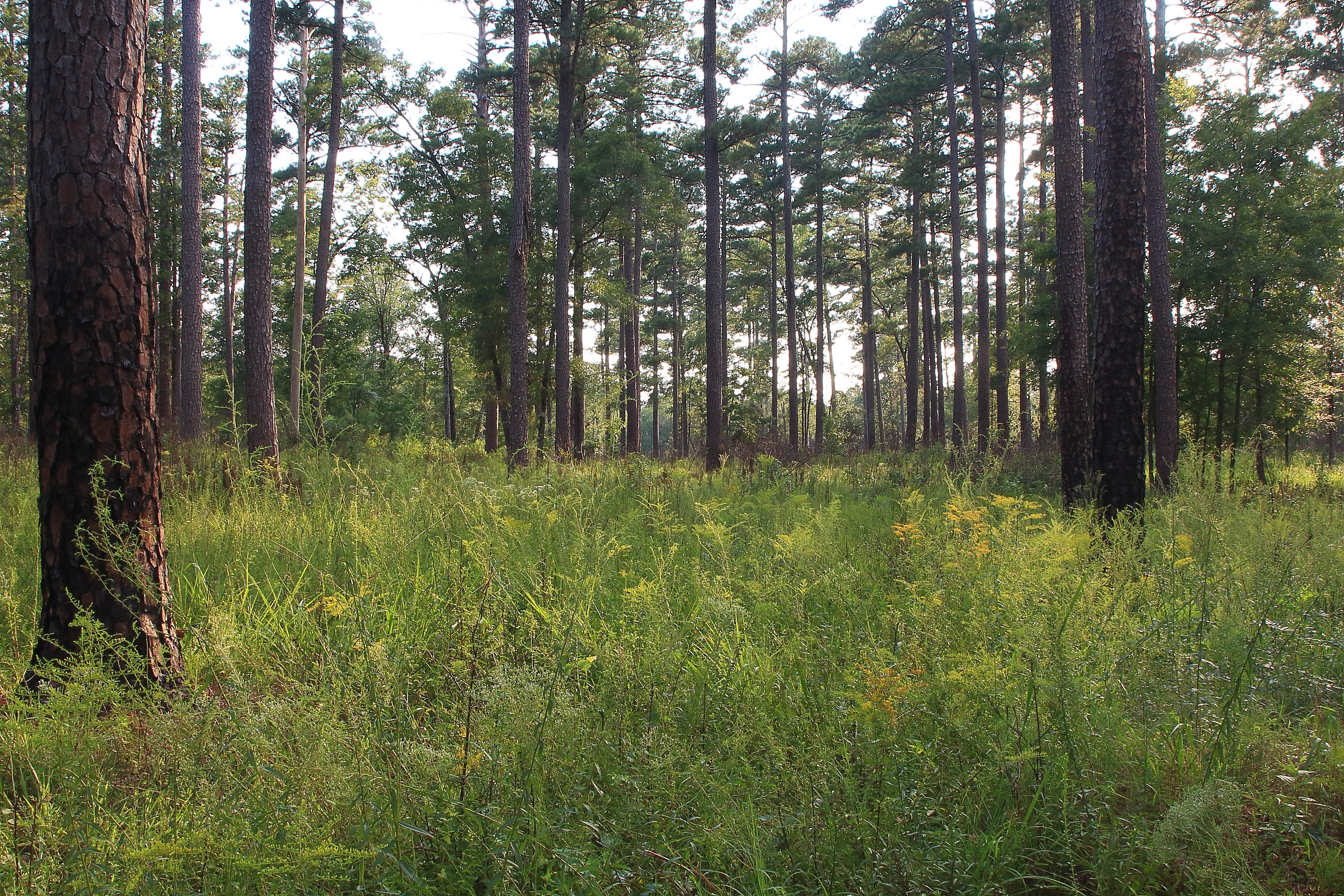
Our prairies were not great in size compared to the Great Plains, but they were great in their diversity of species. Indians, relying on plants for food and medicine, wisely burned off the grasslands when lightning did not. Colonists did not, and like the witches’ prophecy in Macbeth’s, Birnam Wood, the trees cometh and stayeth.
I hear the bison out West stand on the precipice of a dramatic ecological recovery. That’s encouraging. An attempt to restore bison in North Carolina failed. Why, of course it did. I can’t even find a “buffalo” nickel these days.
And as close as I get to seeing a full-on real bison is on South Carolina back road Highway 67. Driving 67 I pass a fine cast sculpture of a bison. Sometimes in a crazed fit of Hollywood digital wizardry I imagine it stuck by a neon-blue bolt, bursting free, and summoning herds of kin beneath a sky that fills with Carolina parakeets, passenger pigeons, and ivory-bills. I imagine it blazing through clearcuts’ stumps and wreckage leaving lush grasslands and nary a pine in its wake. But we don’t build homes of grass. We build them of wood. Don’t get me wrong. I love trees, but viewed through the lens of what we’ve lost, “wood” gives me an uneasy feeling. It’s a discouraging word on what happens to be a cloudy day.
* I don’t use politically correct (vocabulary vampire) terms. They suck the energy and sparkle right out of writing. If that offends you, make me stand in a corner. I dare you.
** Asa Earle Carter, as Forrest Carter, wrote Gone To Texas, the novel that became The Outlaw Josey Wales. Look the man up.
Bison Versus Buffalo
Settlers called bison buffalo. The two names became interchangeable, but bison and the buffalo are different animals. The American bison (Bison bison) lives in North America. The two main species of buffalo live on different continents. The African or cape buffalo (Syncerus caffer) lives in sub-Saharan Africa. The wild Asian water buffalo (Bubalus bubalis) lives on the Indian sub-continent and Southeast Asia. Both are distant relatives of the American bison. All belong to the Bovidae family.
What I wouldn't give to go back in time and walk those grasslands, but the shock of returning to what they are now would be heartbreaking.
We agree with you about the vanishing "everything!" Zach Steinhauser finds bison in North Carolina on his nature excursions, then there was a person from South Africa who was raising them in York, SC, where Zach also took customers to visit. 2-3 times per year, he would butcher the bison and sell the meat. He's sold his farm now. Great story!