

The Old Home Place

“You go back home and everything you wished was different is still the same and everything you wished was the same is different.” —Cormac McCarthy
I go back again. My mother’s parents had a southern home with no plumbing. It’s gone, a song from youth silenced. I am not alone. A woman wrote me. “When I was a child, my uncle and aunt had a dairy farm. The home was a huge white house with a screened porch on two sides. The house was right next to the dairy; a barbed wire fence kept cows out of the yard. When my aunt and uncle passed away, the house was torn down and a Singer Sewing Machine plant sprung up where cows once grazed.”
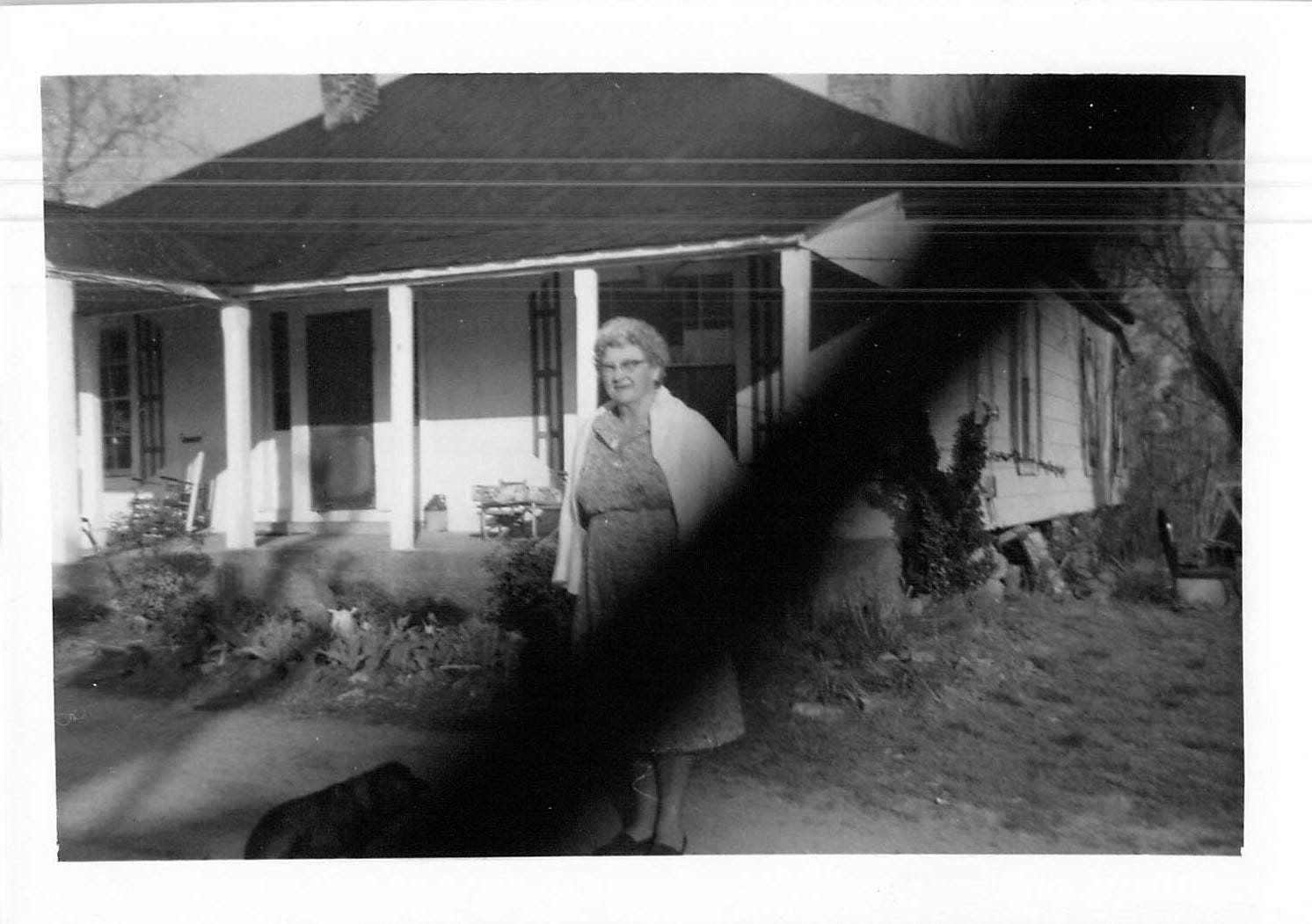
Mom’s home place burned to the ground in 1964. On a blue-sky day in May I drove to it when newly minted leaves glow green. I wanted to see if gold profusions of jonquils bunched up. They didn’t. Like them, all the laughter and love that lived here was no more. Close to fifty family members once gathered here. Just nine left.
The home sat on rock piers by the Elberton Highway a crow-flying mile west of the Carolina line. It had white asbestos shingles, two chimneys, a front porch with eight columns, and a screened porch in back.
Driving past Beulah Baptist Church I glanced to where my grandparents rest and entered a long sweeping curve. Down to the right, that’s where the old home place surrendered to fire, then woods.
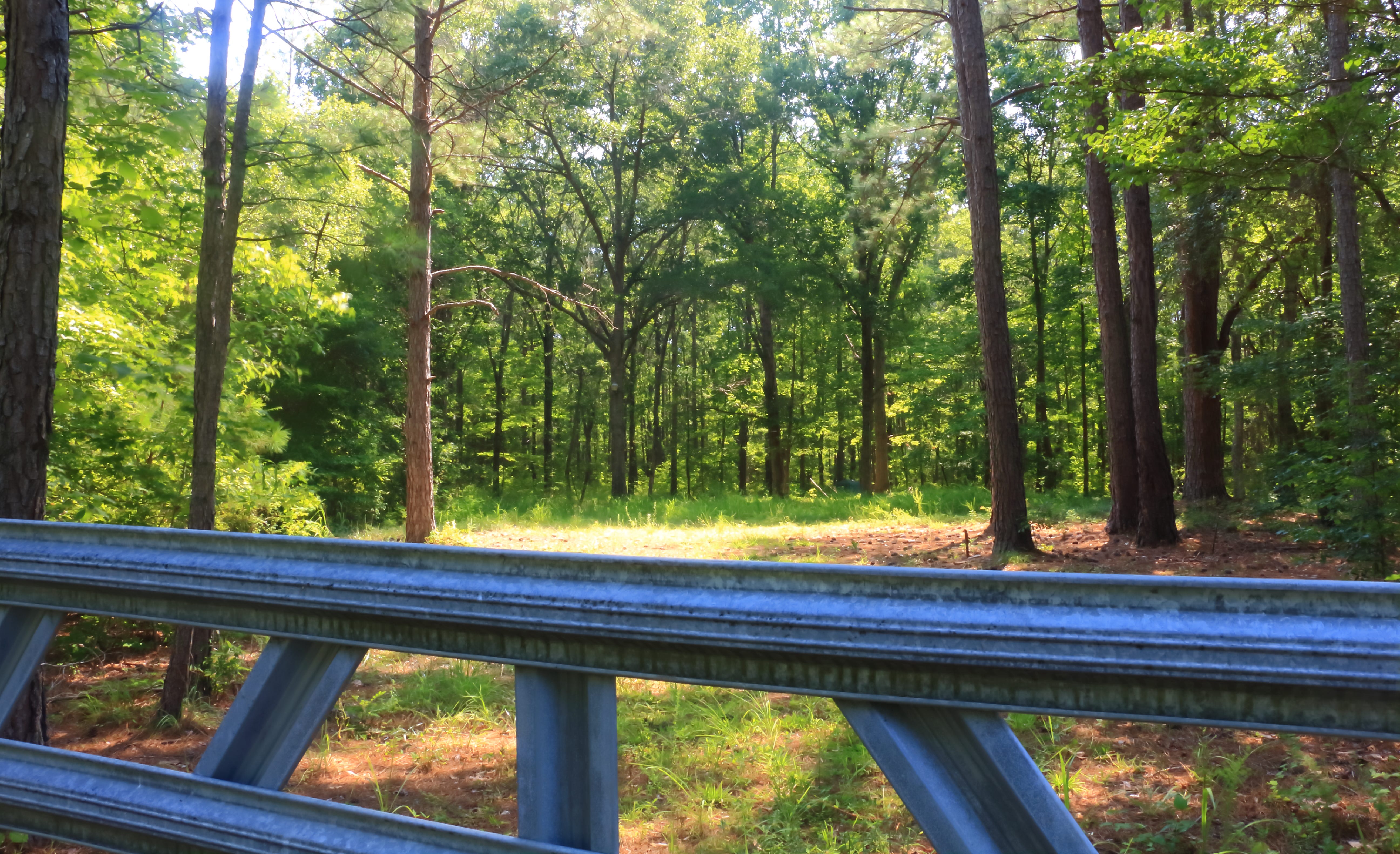
A steel cattle gate and cables barred entrance to the disappeared driveway. “Absolutely No Trespassing.” Sold long ago. I eased between two strands of cable and trespassed into childhood.
A hundred paces to the northeast was the old well where a windlass hauled up buckets of cold water. We sipped from an aluminum ladle, a gourd before that.
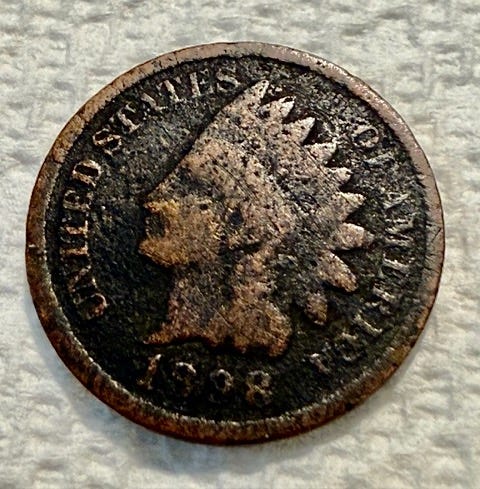
The chimneys are gone. Vetch covers the ground where the house stood. Four feet above the vetch is where I spent many a boyhood day and night. Near the wood stove Grandmom Walker showed me her Indian Head pennies and Indian doll faces she’d found as a girl.
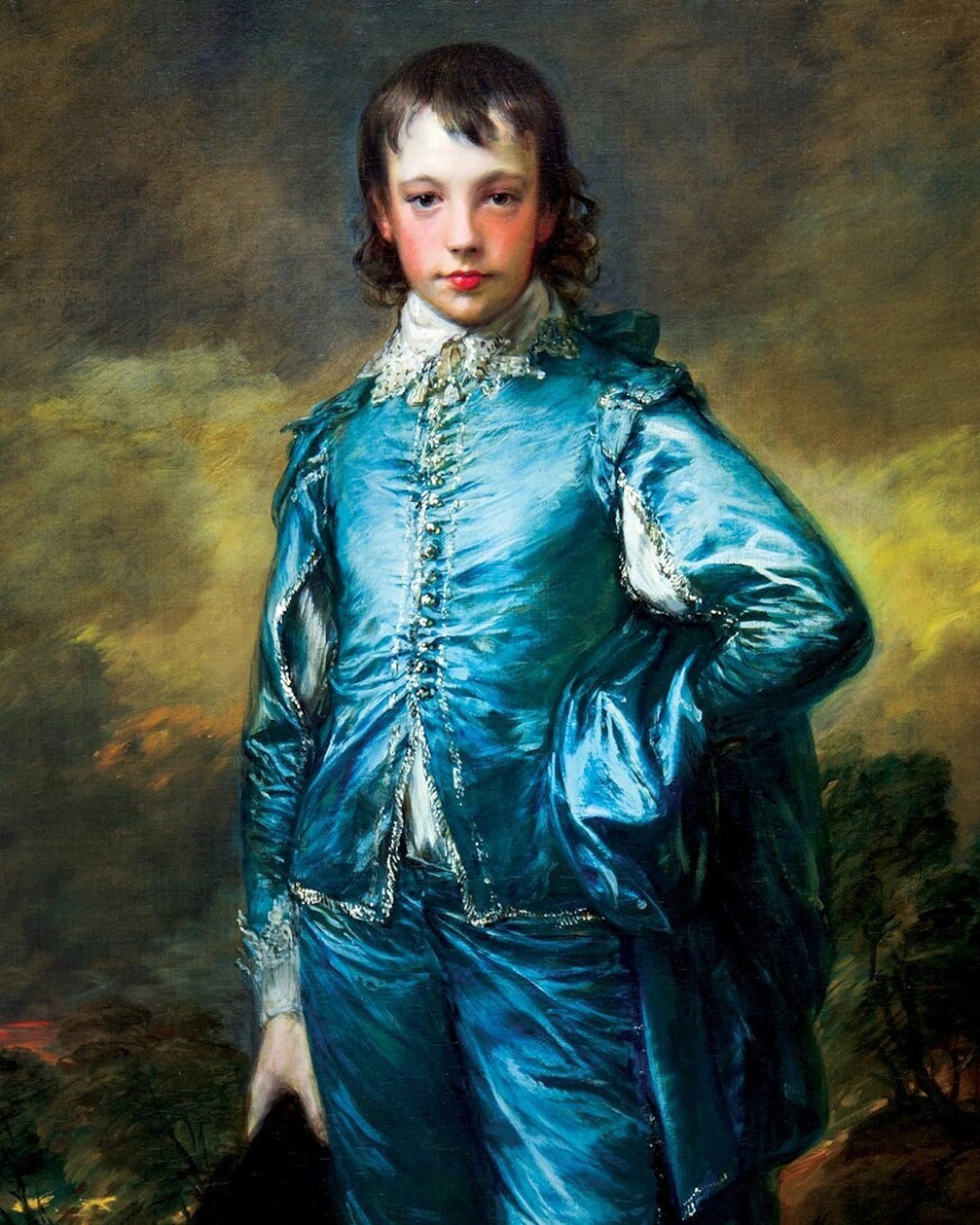
To the right of the front door hung a portrait of Gainsborough’s The Blue Boy. Near the old stove, Uncle Donald had shown me a shard of aluminum he’d scavenged from a fighter jet that crashed nearby in the 1950s.
A big oak stood by the highway. Granddad would strap a bamboo culm 60 feet tall to it. A wire running to the bamboo’s tip served as an antenna. Grand Old Opry and Roy Acuff.
Beyond the well stood the smokehouse, a dark, sweet-smelling place where motes of dust floated in shafts of sunlight. A crab apple tree stood to the right and to the right of it, the outhouse. A date tree grew nearby with its strange fruit.
My grandparents swept their yard, and buried in that sandy soil used to be an old millstone, one half protruding above ground—an arch of granite. Look at the house photo closely. You’ll see the millstone.
Come summer, Granddad fashioned a hemp lattice across his front porch and grew kudzu, a green shield against the western sun.
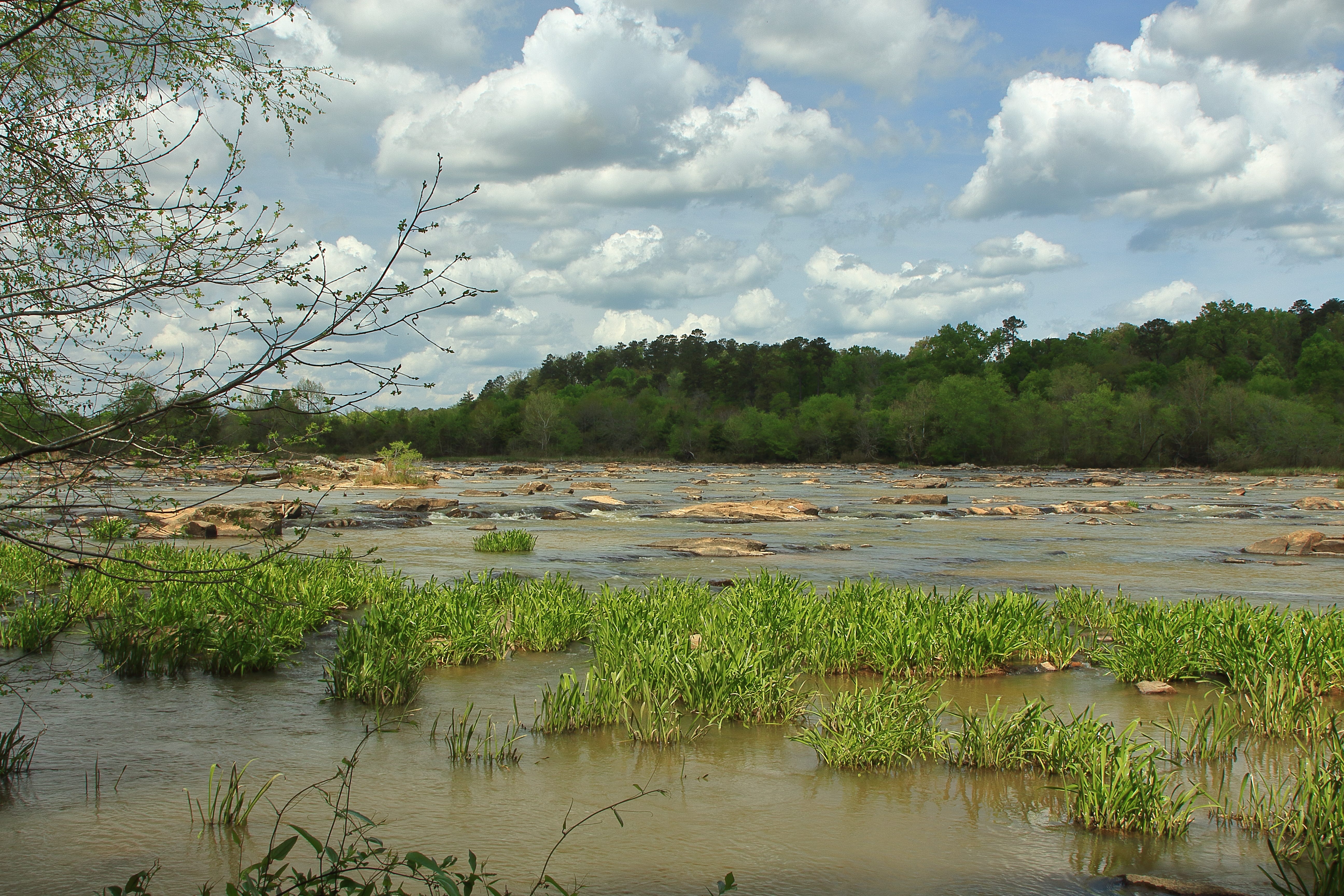
Not far away ran Anthony Shoals, where mom’s family “laid by” after getting in the crops. They’d haul watermelons, cantaloupes, a sack of biscuits, and live chickens to be slaughtered and fried to the shoals in a wagon pulled by two mules. My uncles caught fish and fried ’em.
Come winter evenings, grandkids gathered around a hissing, cherry-red stove to hear Great Aunt Annie’s stories about the “white thing,” an albino panther that spooked the men’s horses. A cousin would sneak off to use a chamber pot, aka slop jar, beneath a bed. In the right, front bedroom I slept between thick quilts on a featherbed those long-ago winter nights.
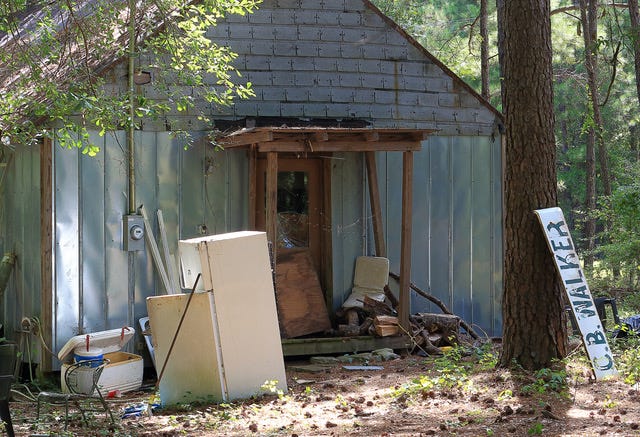
Granddad’s store still stands. Candied memories. How fun to see the penny candies in Granddad’s store and snatch a handful of Mary Janes, Bit-O-Honey, and Bazooka Joe Bubblegum. Puff a candy cancer stick too.
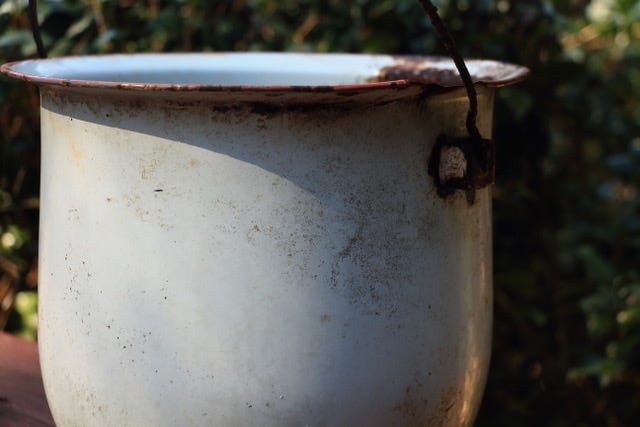
A yucca grew near Granddad’s minnow tank. My cousins and I would slice off leaves with Barlow pocketknives and spear minnows. Had he caught us, I wouldn’t be here. Beyond the yuccas I scavenged a white enamel chamber pot from underbrush.
Today it’s as if it none of these things existed. You know, borrowing a place is the best we can do. We own nothing.
Those who speed around that big sweeping curve know nothing of the land to their right. Just woods to them. Who’d live in such a remote place. Mom’s forgotten old home place ....
I can’t put it all in words. It affects me still. I remain its sole visitor. I intend to go back soon. When I’m gone, all of it will go with me. Just words will remain.
The memories are buried deep within our souls. There the past is preserved and the future lies in limbo.
Memories are flooding my mind and filling my eyes of my grandmother’s house and smokehouse and barn and shed (with the wringer washing machine ) surrounded
by fields where cows grazed during my childhood. All that is left is the old brick front steps. But her daffodils and camellias still bloom every year in Lena SC. Thank you from the bottom of my country girl heart for putting my memories into beautiful words.